
OncoAssure™ Prostate: Mastering Risk Stratification in Contemporary Prostate Cancer Care
Enhancing Treatment decisions at Key Stages of Prostate Cancer Care
While 70% of prostate cancer cases are slow-growing and manageable with active surveillance, 30% are aggressive and require treatment. Traditional risk assessment often leads to overtreatment and severe side effects. OncoAssure Prostate uses information specific to the patient’s tumor to improve risk assessment and help guide treatment decisions.
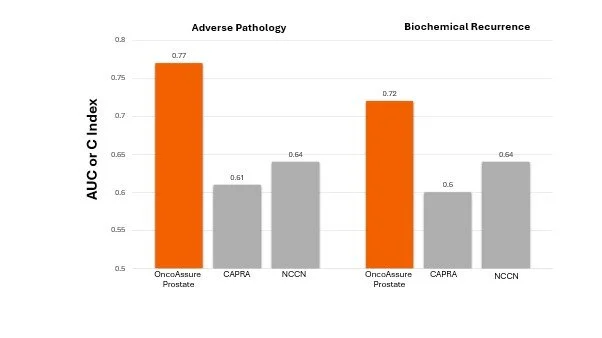
Figure 1: Prognostic performance of OncoAssure Prostate compared with NCCN and CAPRA for adverse pathology and biochemical recurrence
Informing Decisions Along the Prostate Cancer Pathway
Helping guide decisions on active surveillance vs. intervention
Delivering personalized risk assessment
Enhancing patient-physician shared decision-making
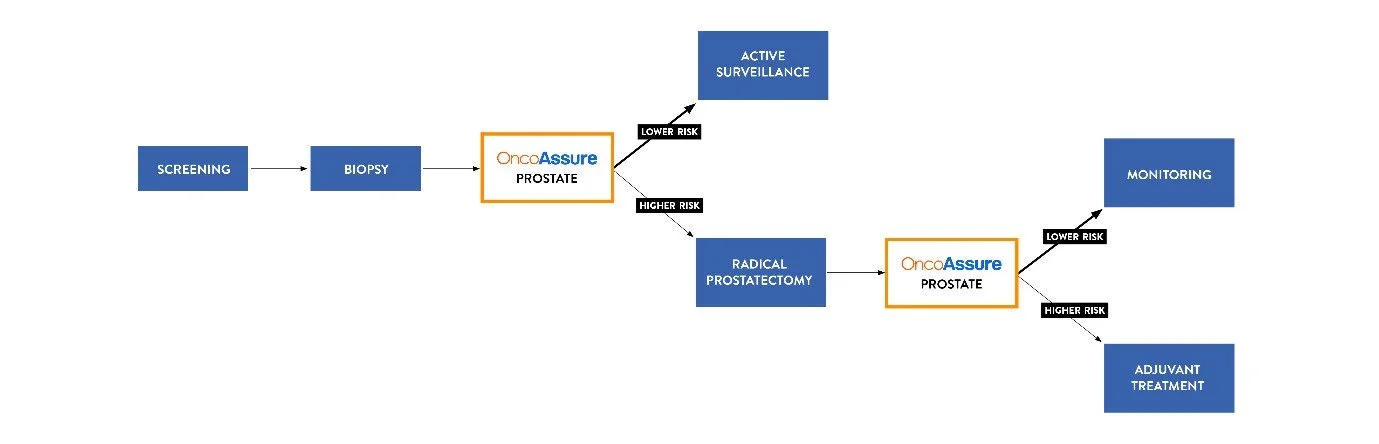
Figure 2: OncoAssure Prostate in the Prostate Cancer Pathway
Clinical Utility
Enhancing risk stratification
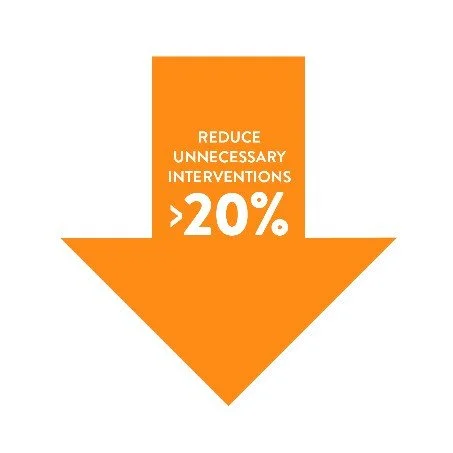
Reducing unnecessary interventions
Using the OncoAssure Prostate test to guide treatment decisions instead of treating all patients, would lead to a >20% reduction in unnecessary interventions.
The OncoAssure Prostate risk score guides informed treatment decisions for prostate cancer patients.
- Patients with a higher OncoAssure Prostate result were 4.4 times more likely to have biochemical recurrence within 5 years compared to patients with a lower OncoAssure Prostate result (28.2% versus 6.4%)
- Patients with a higher OncoAssure Prostate test result were 9.7 times more likely than patients with a lower test result to experience adverse pathology, which is associated with more aggressive cancer.
Meet Us at AUA 2026
Visit us at booth 4108 to learn how OncoAssure™ Prostate can support clinical decision making in the prostate cancer pathway.
